Introduction
The year 2025 marks a defining moment in global digital transformation. The fusion of 5G and AI in 2025 is shaping an intelligent ecosystem where devices, people, and machines interact in real time.
While 4G brought the internet to our hands, 5G technology is bringing intelligence to the network itself. This is not just about speed – it’s about creating a world where connected systems can think, decide, and evolve autonomously.
What Is the Real Power of 5G
The true strength of 5G and AI in 2025 lies in their ability to enable real-time intelligence.
Key advantages of 5G include:
- High Speed: Up to 20x faster than 4G.
- Ultra-Low Latency: Data transfer within milliseconds.
- Massive Connectivity: Millions of IoT devices connecting simultaneously.
- Edge Computing: Data processing near users for instant AI decision-making.
Together, these make 5G and AI in 2025 the digital backbone of innovation.
The Merger of 5G and AI: A New Tech Revolution
The combination of AI and 5G networks is transforming every industry through real-time decision-making and intelligent automation.
Real-Time AI Applications
- Smart Traffic Systems: AI cameras optimize signals through 5G.
- Remote Healthcare: Surgeons operate remotely using ultra-low latency.
- AR/VR Experiences: Real-time immersive environments made possible by 5G.
Edge AI
By placing AI closer to users – at 5G base stations – 5G and AI in 2025 reduce dependency on distant cloud servers.
Benefits include enhanced privacy, faster responses, and instant autonomous actions.
AI Inside the Network
AI is now integrated within the 5G network infrastructure itself.
- Network Automation: AI optimizes bandwidth and traffic.
- Self-Healing Networks: Automatic rerouting during outages.
- Network Slicing: Virtual private lanes for healthcare, gaming, and enterprises.
This makes 5G and AI in 2025 smarter, adaptive, and more reliable.
Impact on Industries
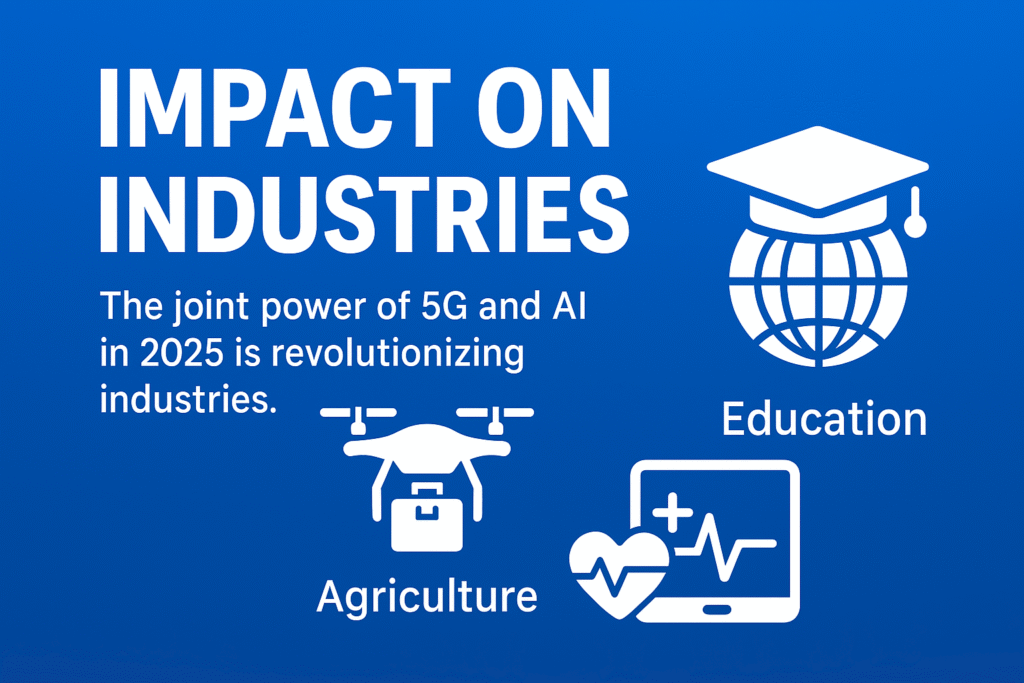
The joint power of 5G and AI in 2025 is revolutionizing industries:
Smart Manufacturing
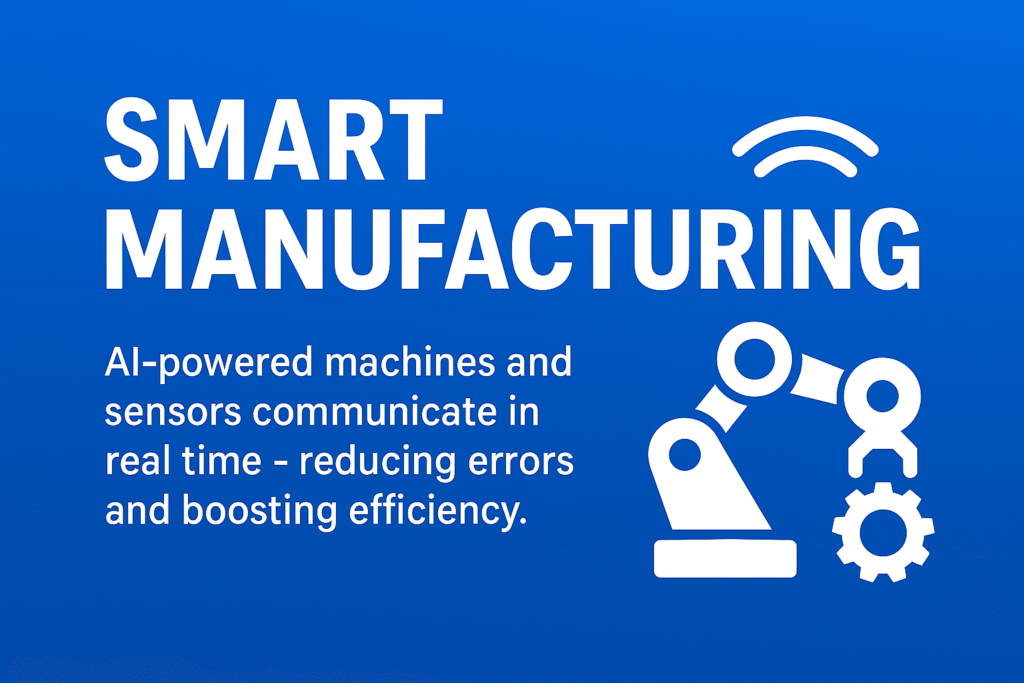
AI-powered machines and sensors communicate in real time – reducing errors and boosting efficiency.
Smart Cities
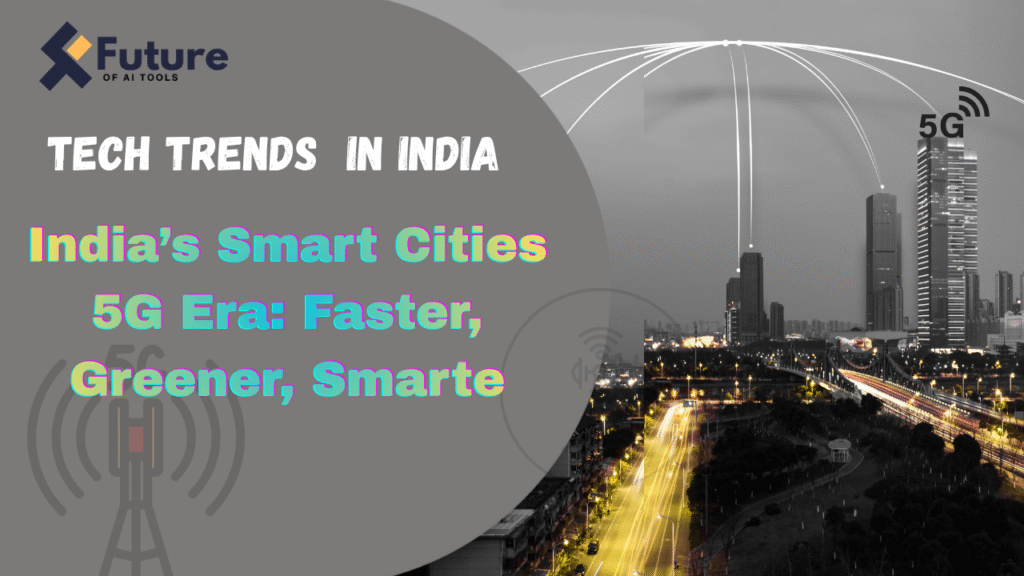
5G-enabled systems improve traffic, safety, and energy management.
Healthcare
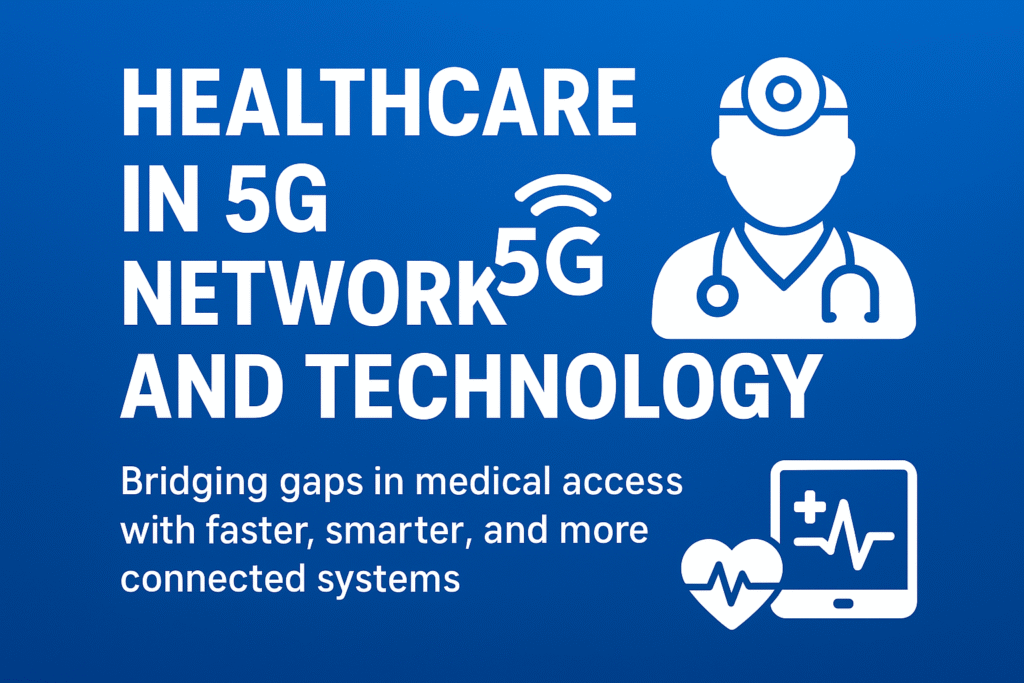
From telemedicine to real-time diagnostics, AI-driven 5G systems are redefining patient care.
Education & Work
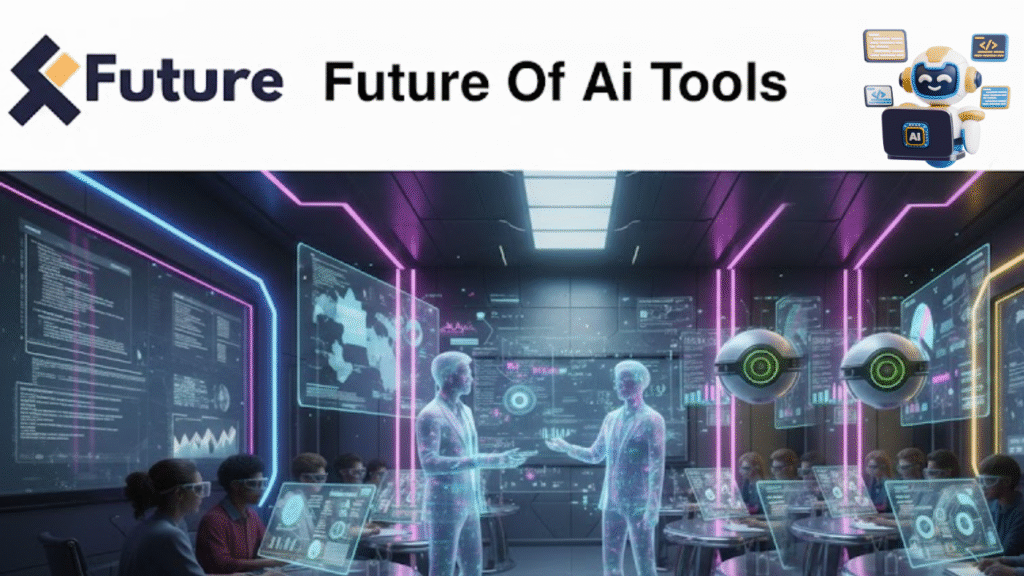
Holographic classrooms and real-time AI collaboration tools are enhancing global learning experiences.
Impact of 5G and AI in India
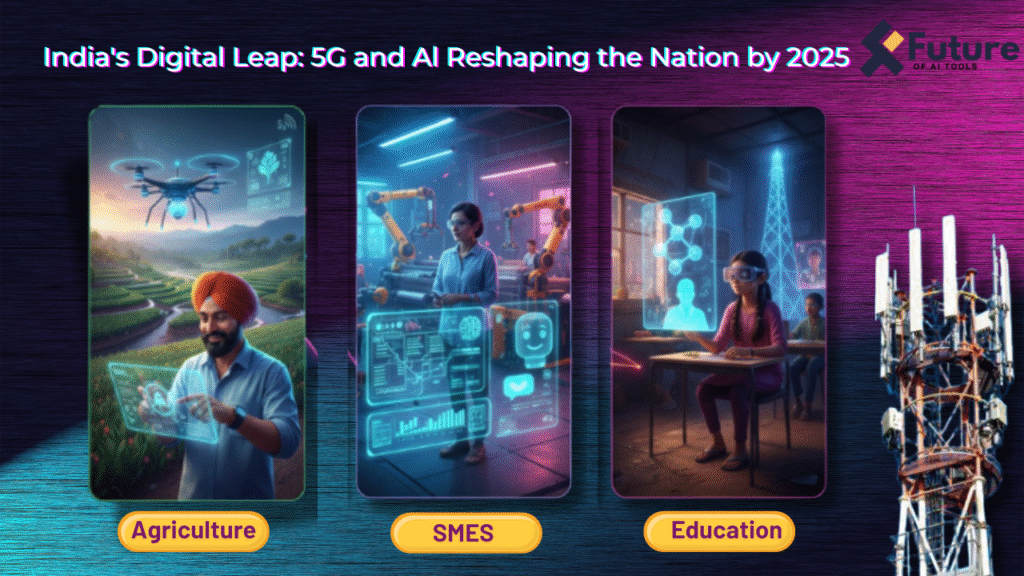
India is rapidly adopting 5G and AI in 2025, creating new growth opportunities across sectors.
- Agriculture: AI drones monitor crops, weather, and soil in real time.
- SMEs: AI-as-a-Service tools help small businesses automate and analyze.
- Education: 5G-powered virtual classrooms reach rural areas.
Indian telecom leaders like Jio, Airtel, and BSNL are investing in Edge AI, driving India’s digital future.
Challenges and Precautions
Every revolution has challenges:
- Cybersecurity Risks – due to massive data sharing.
- High Infrastructure Cost – setting up 5G and Edge networks.
- Digital Divide – rural areas may lag behind.
- AI Ethics – ensuring fair and transparent algorithms.
For 5G and AI in 2025 to succeed, these issues must be addressed with strong policy and innovation.
The Future: 5G-Advanced and the Road to 6G
After 5G and AI in 2025, the world will step into 5G-Advanced and 6G – even faster, smarter, and more energy-efficient.
Expect:
- Real-time humanoid robots.
- AI-driven autonomous transport.
- Fully immersive Metaverse and Extended Reality (XR).
But along with innovation, 6G brings new challenges.
The Hidden Disadvantages of 6G
While 6G offers ultra-high speeds and global connectivity, it comes with potential drawbacks:
- Higher Energy Consumption: THz waves and massive data centers could raise energy use and carbon footprints.
- Extremely High Infrastructure Costs: New satellites and dense base stations could cost trillions globally.
- Potential Health Risks: Long-term exposure to terahertz frequencies is still under study.
- Privacy Threats: Real-time global data exchange increases risk of surveillance.
- Overdependence on AI: Automation without human oversight could lead to ethical issues or malfunctions.
- Job Displacement: Robots and smart systems may replace traditional jobs.
If 6G Launches – Benefits, Disadvantages, and Solutions
Benefits of 6G
If 6G successfully launches, it could bring remarkable advantages:
- 1. Ultra-Fast Connectivity: 100x faster than 5G – enabling real-time holographic communication.
- 2. Global Access: Seamless satellite-based coverage for remote regions.
- 3. Smart Automation: AI-integrated 6G networks powering autonomous industries.
- 4. Enhanced Healthcare: Remote surgeries, 3D body scans, and predictive medicine in milliseconds.
- 5. Climate Monitoring: Smart sensors connected via 6G for tracking global environmental data.
Disadvantages of 6G
However, with these advancements come potential harms:
- 1. Environmental Impact: High power consumption can increase global carbon emissions.
- 2. Cost Barrier: Infrastructure and devices may be too expensive for developing countries.
- 3. Data Privacy Risks: Hyper-connectivity can make user data vulnerable to breaches.
- 4. Health Concerns: Continuous exposure to ultra-high-frequency waves might raise biological concerns.
- 5. Job Automation: Overreliance on AI and robotics may lead to mass unemployment.
Solutions (How to Fix or Reduce These Risks)
To make 6G sustainable and safe, we must:
Use Renewable Energy: Power 6G infrastructure with solar and wind sources.
- Affordable Deployment: Encourage government-private partnerships for cost-sharing.
- Strict Cybersecurity Laws: Protect user data with end-to-end encryption and AI audits.
- Health Research & Regulation: Conduct long-term studies and enforce safety limits.
- AI Ethics & Skill Training: Establish global AI ethics boards and reskilling programs for workers.
If these solutions are implemented, 6G can become a clean, inclusive, and intelligent technology that benefits humanity – not just machines.
Conclusion
5G and AI in 2025 mark the beginning of an intelligent era where connectivity meets cognition.
As we move toward 6G, the focus must remain on human-centered innovation – technology that empowers, protects, and sustains.
The future belongs to those who balance innovation with responsibility.
FAQs
Q1. How are 5G and AI connected?
5G’s high speed and low latency enable AI to process data instantly.
Q2. What are the main benefits of 5G for industries?
Automation, predictive analytics, and real-time monitoring across sectors.
Q3. How is India using 5G and AI in 2025?
India is adopting 5G for smart farming, telemedicine, and digital education.
Q4. What risks come with 5G and AI integration?
Cybersecurity threats, ethical AI issues, and digital inequality.
Q5. What will happen after 5G?
The next phase – 5G-Advanced and 6G – will bring global connectivity and real-time AI automation.
For more insights on AI, telecom, and emerging technologies, visit [futureofaitools.in], your trusted destination for the latest trends in 5G and AI in 2025.