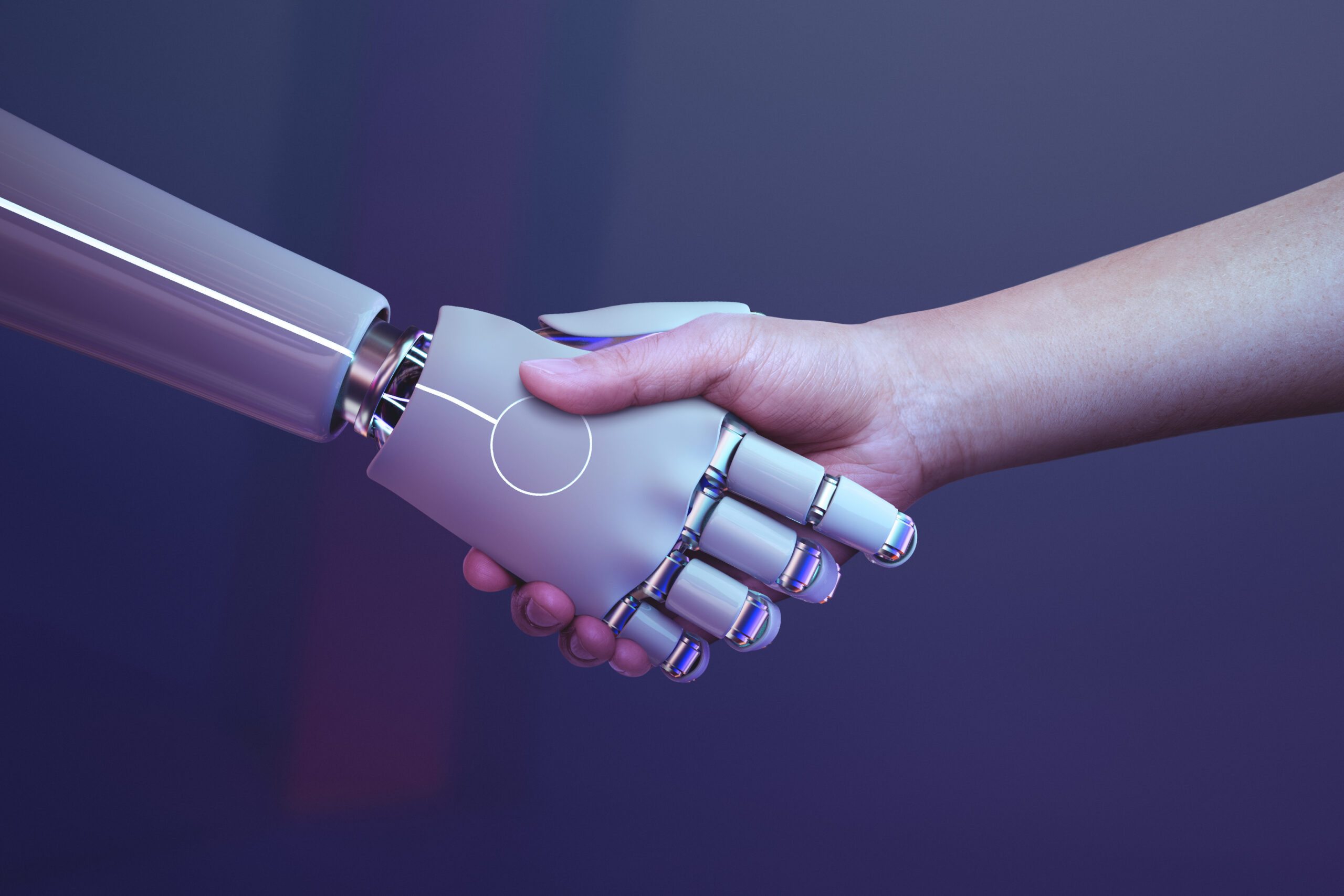
In today’s fast-paced digital economy, AI tools to boost productivity 2025 are reshaping the way individuals and organizations work. From automating repetitive tasks to enhancing collaboration, AI has moved beyond being just a “nice-to-have” to becoming an essential workplace technology. With advancements in speech recognition, natural language processing, and AI voice assistants, productivity tools are becoming smarter, faster, and more intuitive.
At futureofaitools.in, we’ve seen how businesses and professionals are adopting next-gen AI solutions to streamline workflows, improve efficiency, and stay competitive in a rapidly changing world.
How AI Tools to Boost Productivity 2025 Work
AI-powered productivity tools function by analyzing data, learning from patterns, and making intelligent decisions. Here’s how they work under the hood:
- Automation of Repetitive Tasks – Scheduling meetings, handling emails, or data entry can now be managed by AI with minimal human input.
- Natural Language Processing (NLP) – Tools can understand and respond to human language, enabling smoother communication via chatbots or virtual assistants.
- AI Voice Assistants – Devices like Google Assistant and Alexa now integrate directly into professional tools, creating hands-free experiences.
- Real-time Speech Recognition – Meetings and brainstorming sessions can be transcribed instantly, ensuring no detail is lost.
- Predictive Analytics – AI helps forecast trends, productivity gaps, and resource requirements for better decision-making.
By combining these capabilities, AI tools in 2025 don’t just assist- they actively collaborate with humans to optimize workflows.
Real-World Applications of AI Tools in 2025
The impact of AI tools to boost productivity 2025 is already visible across industries. Here are some practical applications:
- Corporate Workplaces
- Automating HR tasks such as onboarding and payroll.
- AI-driven dashboards for real-time employee performance tracking.
- Healthcare
- Voice-controlled devices helping doctors record patient notes.
- AI tools analyzing medical reports faster than manual reviews.
- Education
- Personalized learning assistants powered by NLP.
- AI voice interfaces for interactive lessons.
- Remote Collaboration
- Real-time translation for global teams.
- Smart meeting assistants summarizing discussions automatically.
Companies are already embracing these innovations. According to vktr.com, organizations are using AI to enhance decision-making, reduce repetitive work, and accelerate growth.
Benefits of AI Tools to Boost Productivity 2025
The advantages of adopting these advanced AI tools are clear:
- Time Efficiency – Tasks that once took hours are now completed in minutes.
- Error Reduction – AI eliminates human errors in repetitive jobs.
- Improved Communication – AI voice assistants and real-time transcription enhance workplace collaboration.
- Enhanced Accessibility – Voice interfaces and AI-powered devices make tools usable for differently-abled employees.
- Data-Driven Decisions – AI offers insights that allow businesses to make smarter strategic moves.
In 2025, the productivity gains are not just incremental- they’re transformative.
Challenges of AI-Powered Productivity Tools
While AI tools to boost productivity 2025 sound perfect, they also come with challenges:
- Data Privacy Concerns – With so much sensitive information being processed, security is critical
- Overdependence on Automation – Employees may lose critical thinking skills if AI handles everything.
- Integration Issues – Legacy systems may struggle to work with new AI solutions.
- Bias in Algorithms – If trained on biased data, AI tools may provide inaccurate or unfair results.
- Cost of Adoption – Advanced AI systems may be too expensive for small businesses initially.
Understanding these challenges is vital for companies before full-scale adoption.
Future Scope of AI Tools to Boost Productivity 2025 and Beyond
Looking ahead, AI’s role in productivity is only going to expand:
- Smarter Voice Interfaces – Imagine seamless communication with AI that understands context, tone, and intent.
- AI-Powered Virtual Coworkers – Digital agents that handle tasks independently while coordinating with human teams.
- Advanced Collaboration Platforms – Real-time global communication without language barriers.
- Hyper-Personalized Workflows – AI adapting to individual working styles for maximum efficiency.
- Integration with Emerging Tech – AI tools combining with AR, VR, and IoT for immersive workplace experiences.
Tech leaders like Google, IBM, and OpenAI are investing heavily in developing tools that push productivity to the next level. This signals a future where AI doesn’t just support work- it defines how work happens.
Conclusion
The landscape of work is being transformed by AI tools to boost productivity 2025. From natural language processing and AI voice assistants to predictive analytics and real-time speech recognition, these tools are redefining efficiency. While challenges like data privacy and integration remain, the opportunities are too significant to ignore.
If you want to stay ahead in this AI-driven era, start exploring the right tools today. Visit futureofaitools.in for insights on the best AI solutions shaping 2025 and beyond.